Wheel Alignment Services in Indianapolis, IN
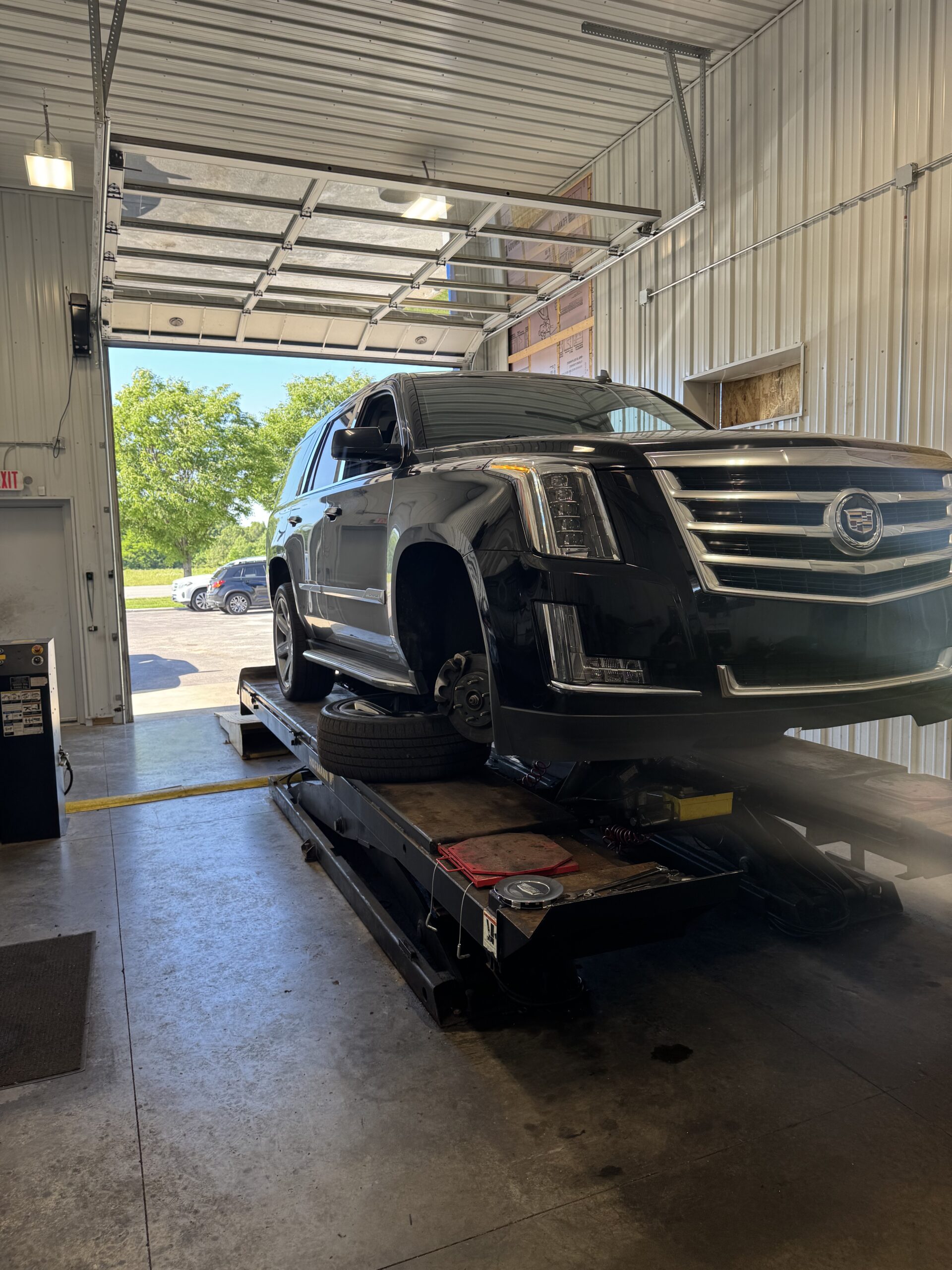
Is Your Vehicle Pulling or Wearing Tires Unevenly?
A vehicle that drifts, pulls to one side, or wears through tires unevenly may have incorrect wheel alignment. Ignoring the problem can make steering less predictable and shorten tire life.
How important is wheel alignment?
Exclusive Deals Waiting for You
What are the symptoms of a vehicle with incorrect alignment?
- Excessive or uneven tire wear
- The vehicle pulls to the left or right
- Feeling of looseness or wandering
- Steering wheel vibration or shimmy
- Steering wheel is not centered when the vehicle is moving straight ahead
How often should I have my vehicle aligned?
- Reduced Tire Wear: Improper alignment is a major cause of premature tire wear. Over the years, a properly aligned vehicle can add thousands of miles to tire life. Most tires are replaced prematurely due to adverse wear.
- Better Gas Mileage: Gas mileage increases as rolling resistance decreases. Total Alignment sets all four wheels parallel, which along with proper inflation, minimizes rolling resistance.
- Improved Handling: Does your car pull to one side? Do you constantly have to move the steering wheel to keep your car traveling straight ahead? Many handling problems can be corrected by Total Alignment service. With all the vehicle components aligned properly, road shock is more efficiently absorbed for a smoother ride.
- Safer Driving: A suspension system inspection is part of the alignment procedure. This allows worn parts to be detected before they cause costly problems.
Wheel Alignment Services We Provide
Our wheel alignment services in Indianapolis may include:
- Wheel alignment inspections
- Front-end alignments
- Four-wheel alignments
- Toe angle measurement and adjustment
- Camber measurement and adjustment when supported
- Caster measurement and adjustment when supported
- Steering wheel centering
- Tire wear pattern evaluation
- Alignment checks after steering or suspension work
- Post-alignment road testing
- Final alignment measurement verification
Adjustment options depend on the vehicle’s design and the condition of its steering and suspension components.
Frequently Asked Questions
Signs include uneven tire wear, pulling to one side, wandering, steering wheel vibration, or a steering wheel that is not centered. We can check the alignment and see whether adjustments are needed.
As a general rule, have your alignment checked every 10,000 miles or at least once a year. You should also follow the recommendation in your owner’s manual.
Yes, improper alignment is a major cause of premature tire wear. Correct alignment can help your tires last longer and wear more evenly.
Pulling can be caused by alignment problems, tire issues, suspension wear, or brake concerns. We can inspect the vehicle and determine whether alignment is the cause.
Yes, proper alignment can help reduce rolling resistance. When the wheels are aligned and tires are properly inflated, the vehicle can move more efficiently.
An off-center steering wheel is a common sign that the alignment may be out of specification. We can check the angles and make the needed adjustments.
Yes, potholes, curbs, rough roads, and worn suspension parts can knock alignment out of place. We recommend scheduling an alignment check if the vehicle feels different after a hard impact.
Yes, proper alignment can improve handling and make the vehicle feel more stable. It can also help reduce wandering, pulling, and steering corrections.
Yes, the alignment process can include a suspension system inspection. This helps us find worn parts before they create bigger problems.
Schedule alignment service if your tires are wearing unevenly, the vehicle pulls, the steering wheel vibrates, or the steering wheel is off center. We can check the alignment and help protect your tires, handling, and safety.
Get Professional Wheel Alignment in Indianapolis
Discount Auto Repair can measure your vehicle’s alignment angles and make the appropriate adjustments when possible. Proper alignment helps your vehicle track straight, improves steering control, and promotes more even tire wear.