
Car AC Repair for Indianapolis, IN Drivers
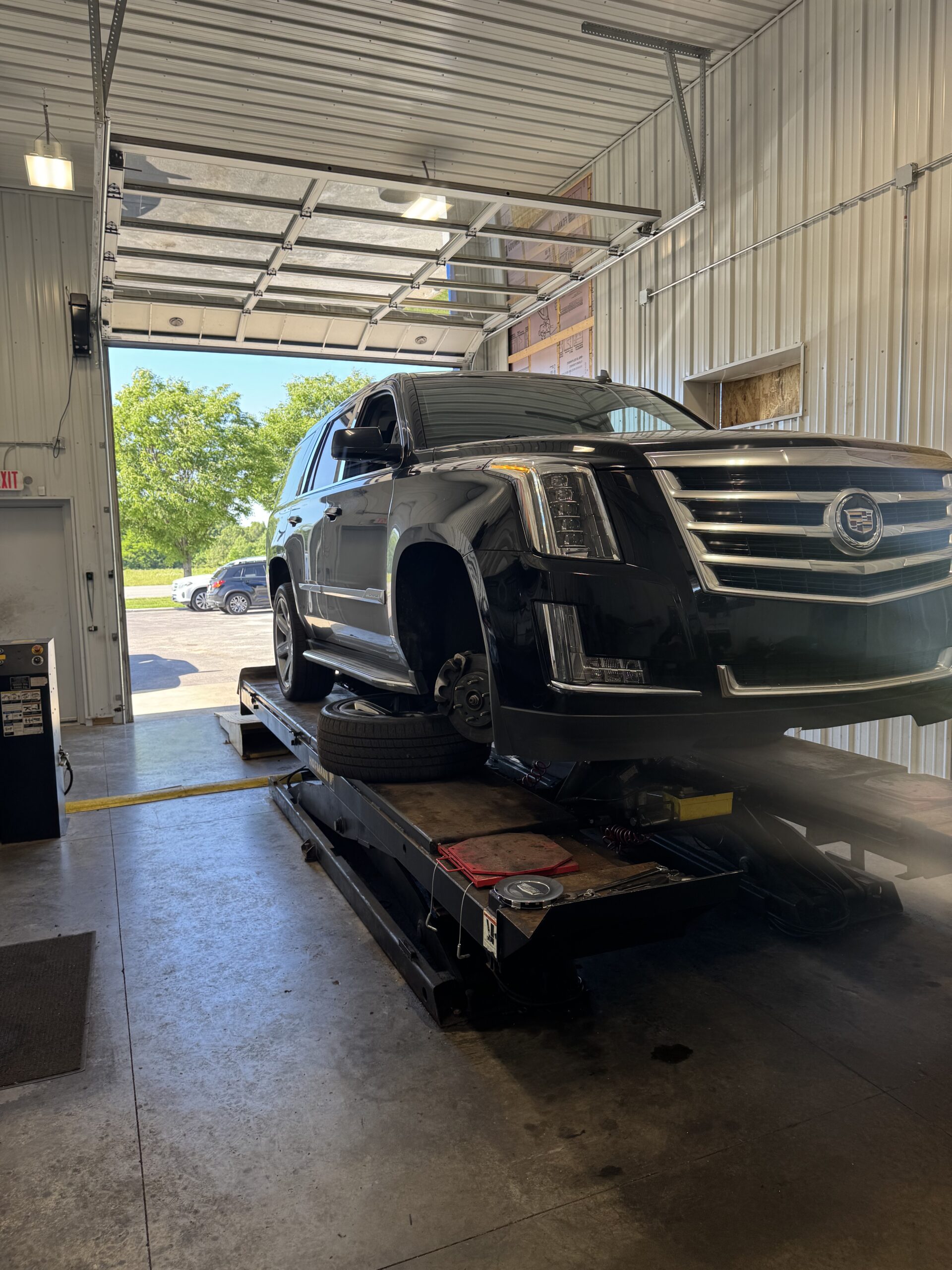
Air Conditioning Service
The air conditioning unit in your vehicle operates similarly to a refrigerator. Your vehicle’s air conditioning unit is designed to move heat from the inside of your car to the outside of it.
Is Your Car AC Struggling to Keep You Cool?
Warm air, weak airflow, unusual noises, bad odors, or inconsistent cooling can make every drive uncomfortable. These problems may point to low refrigerant, a leak, a faulty compressor, electrical trouble, or another issue within the AC system.
Get Reliable Car AC Repair in Indianapolis
Discount Auto Repair can inspect your vehicle’s air conditioning system, identify the source of the problem, and recommend the appropriate repair. Our goal is to restore dependable cooling so you can drive comfortably during hot Indianapolis weather.
Exclusive Deals Waiting for You
Please contact us to learn more about our services and how we can help keep your vehicle running at its best.
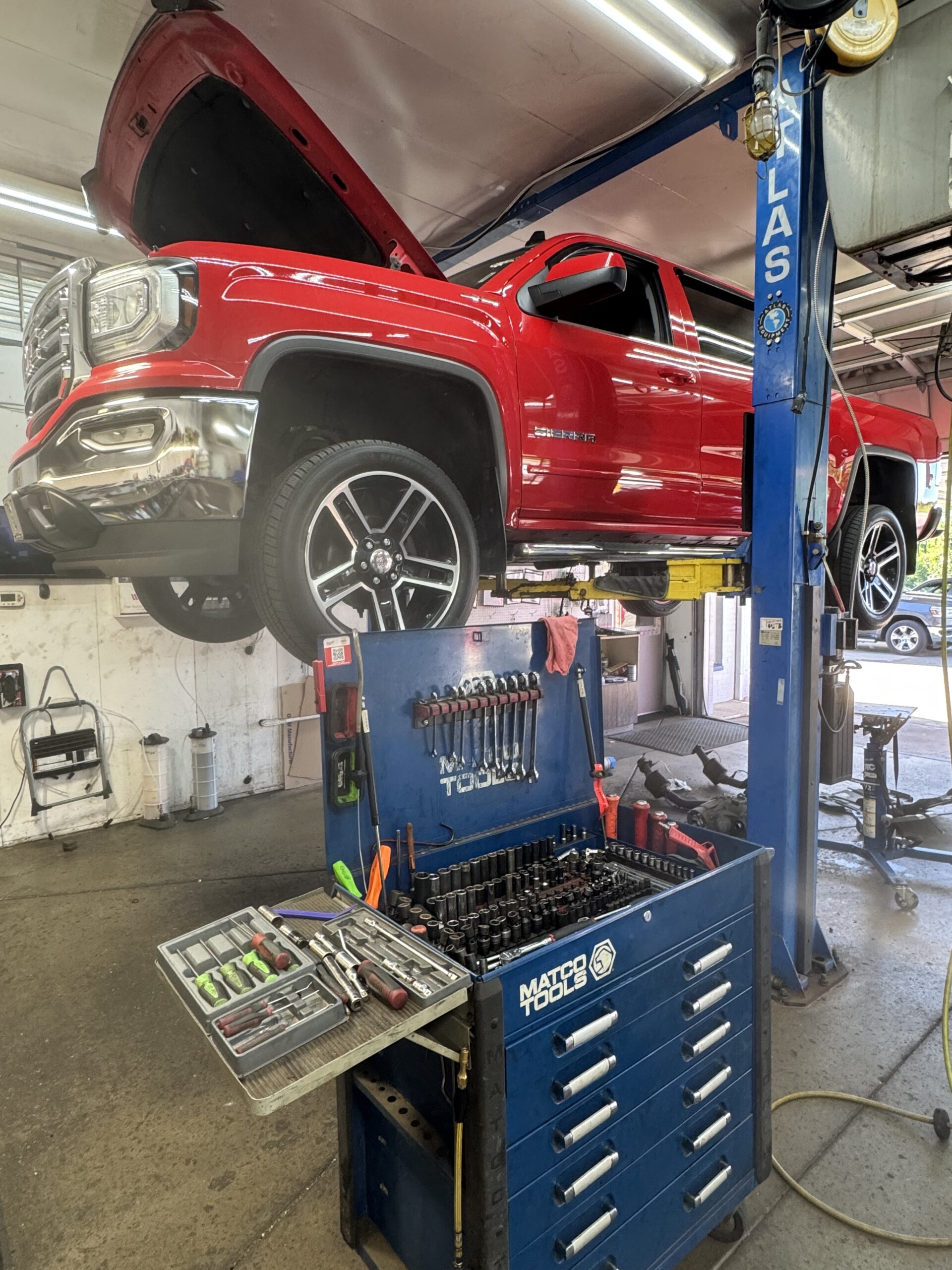
Car Air Conditioning Services We Provide
A vehicle’s air conditioning system relies on several components working together to deliver cool, consistent airflow. If your AC is blowing warm air, producing weak airflow, making unusual noises, or not working at all, Discount Auto Repair can inspect the system and recommend the appropriate service or repair.
Our car AC services in Indianapolis may include:
- AC system inspections and diagnostics
- Refrigerant leak detection
- AC refrigerant recharging
- Compressor repair and replacement
- Condenser repair and replacement
- Evaporator repair
- Expansion valve and orifice tube service
- Receiver-drier and accumulator replacement
- Blower motor and fan repair
- AC hose and seal repair
- Electrical and climate control repair
- Cabin air filter replacement
Your vehicle’s air conditioning unit has six major components:
- The refrigerant carries heat. In modern cars, refrigerant is a substance called R-134a. Older cars’ refrigerant is called r-12 freon, which is more expensive and difficult to find than R-134a.
- The compressor circulates and compresses refrigerants within the vehicle’s cooling system.
- Your vehicle’s condenser changes the refrigerant from gas to liquid and expels heat from the car.
- The expansion valve (sometimes called the orifice tube ) is a nozzle that simultaneously drops the pressure of the refrigerant liquid, meters its flow and atomizes it.
- Your vehicle’s evaporator transfers heat to the refrigerant from the air blown across it, cooling your car.
- The receiver or dryer filters your vehicle’s refrigerant and oil, removing moisture and other contaminants from them.
When you start your vehicle’s air conditioning system, the compressor works by putting the refrigerant under pressure, sending it to the condensing coils, which are generally in front of your vehicle’s radiator. The condenser expels hot air to the outside the car, cooling the air within the vehicle. When this happens, the refrigerant is cooled, and it changes from a gas to a liquid, which then passes through the expansion valve and to the evaporator.
Once the evaporator receives the liquid-state refrigerant, it loses pressure and cools the remaining liquid. The vehicle’s blower moves air across the evaporator and into the vehicle’s interior. If you keep your air conditioning unit turned on, the refrigerant goes through this cycle continuously.
If any of these components is damaged, it can turn your cool car into a furnace during the summer months. Your vehicle’s air conditioning issue could be as simple as topping off refrigerant to replacing a valve. When your air conditioning unit is not working as it should, bring your vehicle to Discount Auto Repair Inc, conveniently located in Indianapolis, IN. One of our trained air conditioning specialists will inspect your car’s air conditioner, all lines, the evaporator and the compressor for leaks and wear.
Frequently Asked Questions
Your A/C may be low on refrigerant, leaking, or having trouble with the compressor, condenser, expansion valve, or evaporator. We can inspect the system and check for leaks or worn parts before recommending the right repair.
Yes, we inspect the air conditioning system, lines, evaporator, and compressor for leaks and wear. This helps us find out whether your vehicle needs a simple service or a more involved repair.
Refrigerant carries heat out of the cabin so your vehicle can blow cooler air inside. When the refrigerant level is low or the system is leaking, the A/C may stop cooling properly.
Sometimes, an A/C issue can be as simple as topping off refrigerant. However, if the refrigerant is low because of a leak, we need to find and repair the leak so the problem does not keep coming back.
Intermittent A/C problems can come from low refrigerant, pressure issues, electrical faults, compressor trouble, or a failing component. We can test the system to find the cause instead of guessing.
A typical A/C system includes refrigerant, compressor, condenser, expansion valve or orifice tube, evaporator, and receiver or dryer. If one of these parts fails, your A/C may lose cooling power.
Odors can come from moisture, mildew, or buildup inside the vents or evaporator area. We can inspect the system and let you know whether cleaning, filter replacement, or another service is needed.
Yes, we can inspect older A/C systems and explain what repair options are available. Some older vehicles may use different refrigerant, so we check the system carefully before doing any service.
Running the A/C occasionally can help keep the system active and may help prevent seals from drying out. It can also help remove moisture from the cabin when your windows fog up.
Bring it in if the air is warm, weak, inconsistent, noisy, or has an unusual smell. We will inspect the system and explain whether it needs refrigerant, leak repair, or part replacement.